
We help Sydney homeowners decide the right foundation solution for their home. This article answers that search intent immediately by explaining which process suits your house built on stumps or a slab.
Restumping (also called reblocking) replaces damaged stumps beneath a raised building. It is only possible when visible posts support the structure. Timber, concrete and steel are common stumps materials, with steel best for durability in reactive soils.
Underpinning stabilises foundations for a slab or strip footing. Methods include concrete pads, screw piling and resin injection. Each method targets load paths and bearing capacity to stop movement and permanent damage.
We are Underpinning Sydney. With 20+ years’ experience we provide council‑compliant foundation repair and fixed‑price quotes. Expect honest assessments, minimal disruption and engineering reports.
Key Takeaways
- Restumping replaces weakened posts under a raised house; underpinning strengthens footings under a slab.
- Your choice affects long‑term safety, compliance and foundation performance.
- We assess movement, load paths and bearing capacity before recommending a process.
- Solutions include concrete, screw piles and resin injection, all council‑compliant.
- We offer free preliminary assessments — call 1300 970 930 to speak to Chris.
Foundations 101: restumping versus underpinning in Sydney’s housing stock
Many Sydney homes sit on raised stumps or concrete slabs, and each foundation type needs a tailored repair.
What is restumping and when is it used?
Restumping, also known as reblocking, replaces damaged supports beneath a raised house. It restores bearing and level by installing new timber, concrete or steel stumps.
This process suits elevated houses where posts and vents are visible under the floor. We use restumping when stumps have rotted, settled or been attacked by termites.
What is underpinning and when is it required?
Underpinning strengthens existing slab or strip footings. Methods include concrete pads, piles and resin injection to restore bearing capacity.
We recommend this when slab structures show progressive cracking, doors that jam, or uneven floors that signal loss of support.
How to tell if your house is built on stumps or a slab
Your house is built on stumps if it is elevated and you can see posts and perimeter vents. A house built slab sits at ground level with no visible stumps beneath the floor.
Common symptoms of foundation movement Sydney homeowners notice
- Stepped cracks in brickwork and widening wall cracks.
- Dipping or sloping internal floors and doors that stick.
- Gaps around windows and uneven skirtings.
Clay soil in Sydney can shrink and swell with seasons, affecting both stumped and slab homes. Early assessment saves time and cost.
We offer free structural assessments and an engineering-led explanation of causes, likely process and indicative time frames for repair. Email photos to us for quick guidance before a site inspection.
Underpinning methods, restumping materials and the repair process
Here we cover the practical methods builders use to repair slabs and replace damaged stumps under a building.
Underpinning options include several engineered methods chosen for site conditions and soil behaviour.
- Traditional concrete pads — staged excavations beside footings, reinforced concrete poured to transfer load to competent ground.
- Piling and micro‑piles — driven or drilled steel/concrete piles to reach stable strata under weak soil.
- Screw piles — torque‑installed helical steel piles that give quick verification of capacity with minimal vibration.
- Jet grouting — high‑pressure grout mixes with soil to form in‑ground columns where excavation is risky.
- Resin injection — geo‑polymer resin fills voids beneath slabs and can lift and re‑level lightly loaded areas.
Restumping materials explained
The restumping process replaces failing supports with stumps new ones and sets them level under the bearers.
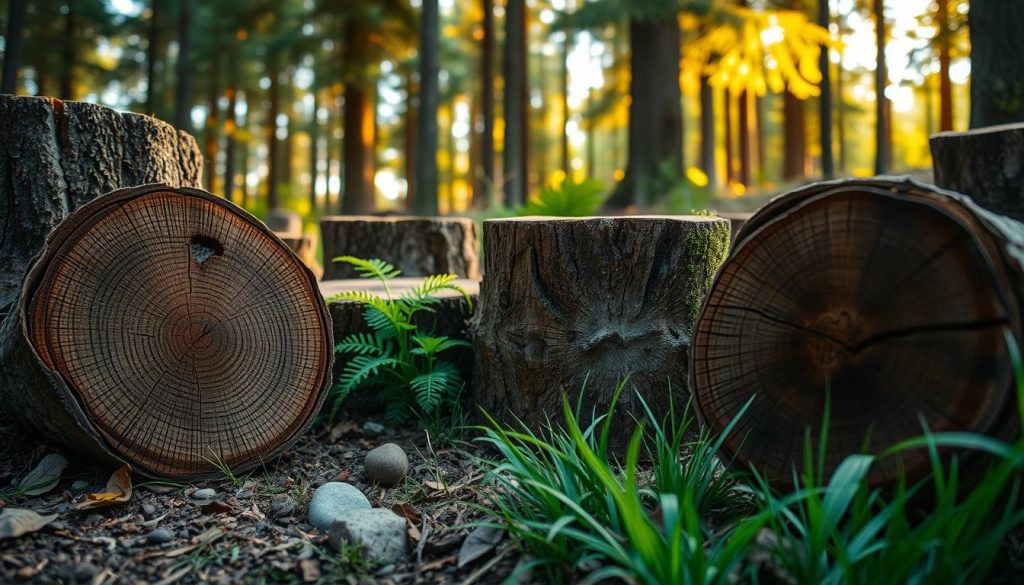
We supply timber, concrete or steel stumps. Timber is economical but vulnerable to moisture and termites. Concrete is durable in many soils. Steel is the most durable and is often specified where subfloor height exceeds about 1.8 metres or soils are highly reactive.
| Method | When used | Key benefit |
|---|---|---|
| Concrete pads | Shallow bearing improvement | Proven, long‑lasting |
| Screw piles | Tight access, low vibration | Fast install, torque verification |
| Resin injection | Light slabs, void filling | Minimal digging, quick cure |
We deliver council‑compliant foundation repair services with engineering reports, clear method statements and certification on completion. Expect minimal disruption and no upsell of unnecessary work. For a site assessment, see our foundation repair services.
Underpinning vs restumping difference: safety, compliance and choosing the right fix
A clear plan keeps your foundation repair compliant, safe and long lasting.
Which homes need which repair
Stumped houses usually require restumping or partial reblocking. We replace failing stumps with timber, concrete or steel stumps new ones where needed.
Homes on a built slab or strip footing need engineered underpinning methods to restore bearing. Options include concrete pads, screw piles or resin injection to stabilise the ground beneath the slab.
Engineering, certification and council compliance
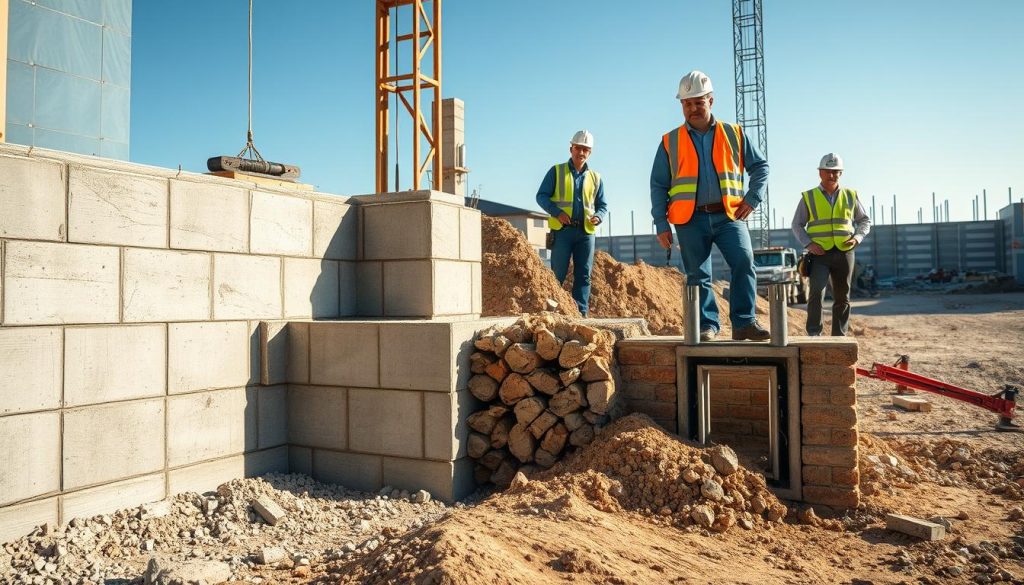
We provide engineering reports, council‑compliant method statements and certification. This helps with insurers, conveyancers and lenders.
Disruption, time and access
We plan access to protect services and gardens. Typical site time varies with scope and soil. We stage work so you know when areas are affected.
- We explain the process after soil checks and inspection.
- We aim for minimal disruption and daily updates.
- Quotes are fixed‑price and show locations for new ones or underpins.
| Aspect | What to expect | Typical outcome |
|---|---|---|
| Time | Days to weeks | Certified repair |
| Access | Local excavation or screw rig | Protected services |
| Documentation | Engineering report | Council sign‑off |
When to call us: For a free assessment call 1300 970 930 and speak to Chris. Email photos for fast triage and booking.
Conclusion
A tailored assessment finds whether stumps or a slab need targeted repair for lasting results.
We deliver engineered, council‑compliant outcomes that protect your foundation and the value of your house. Our team uses durable stumps and proven methods — timber, concrete, steel, screw piles and resin injection — chosen for local soil and access.
Work is planned to reduce disruption and finish on time. You get certification, photos and a short report for peace of mind and resale.
Unsure which route is right? Send photos or call Chris on 1300 970 930 to book a free, no‑obligation structural assessment and site inspection today.