
We explain underpinning financing options so you can act quickly to protect your home and your property’s value. This page helps you choose a practical solution and shows how funding works in the current market.
We are Underpinning Sydney. We have 20+ years’ experience in concrete underpinning, resin injection, screw piling, wall crack repairs and council‑compliant methods. We are fully licensed and insured.
You will learn where home equity, renovation loans and personal loans fit different project sizes. We prepare fixed‑price quotes, coordinate engineering reports and streamline lender‑ready documentation.
Our approach keeps disruption low and communication clear. Call 1300 970 930 to speak to Chris, book a site inspection, or email photos for a fast preliminary assessment.
Key Takeaways
- We outline clear, council‑compliant funding paths for structural repair.
- Fixed‑price quotes and lender documents simplify the process.
- Home equity, renovation loans and personal loans suit different project sizes.
- Staged funding can match our engineered construction sequence for a smooth repair.
- We are local, licensed and insured, keeping disruption minimal.
Why financing underpinning matters for safety, compliance and property value
Addressing structural repairs early keeps your house safe and preserves long‑term value. We focus on permanent, engineered solutions rather than quick cosmetic fixes.
Transparent disclosure of defects matters when you sell in the estate market. Many buyers will accept a fair price if certified work is planned and documented.
Getting the right support starts with matching the work to your actual needs. We never upsell. Our reports and photos make the case clear to insurers and lenders.
- Start fast: funding lets essential work begin before movement worsens and protects property value.
- Certified outcomes: engineered repairs improve safety, compliance and buyer confidence in the estate market.
- Smart choices: the right approach reduces temporary propping and avoids seasonal soil impacts.
We provide plain‑English explanations, lender‑ready documentation and fixed‑price quotes. This keeps the process simple and protects your investment.
Start with a structural assessment and realistic budget
Start with a thorough structural assessment to shape a realistic budget and clear next steps. We provide a free, no‑obligation structural assessment and coordinate engineering reports so you can plan with confidence.
What your engineering report should cover
Your engineering report must set scope, method selection and compliance requirements for approvals. It should show load paths, footing details, material specs and inspection hold points.
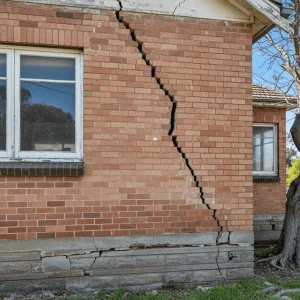
We record levels, crack patterns and soil context to define the repair process and to help size likely costs.
Obtaining detailed quotes
We provide fixed‑price quotes for concrete underpinning, resin injection, screw piling and wall crack repairs. Quotes break down costs by stage so you can match progress claims with drawdowns.
- Honest scope focused on your needs, not extras.
- Engineer sign‑off and lender‑ready documentation.
- Advice on subfloor ventilation and retaining wall support for long‑term stability.
| Method | Typical Stage Breakdown | Engineer Input Required | Disruption |
|---|---|---|---|
| Concrete underpinning | Excavation → Formwork → Pour → Cure → Certification | Yes — design and inspection hold points | Moderate |
| Resin injection | Drilling → Injection → Testing → Certification | Yes — soil testing and method approval | Low |
| Screw piling | Piling → Bracing → Tie‑in → Certification | Yes — load calculations | Low to moderate |
| Wall crack repairs | Prep → Repair → Seal → Monitor | Usually — extent and materials | Low |
Understanding the costs: factors that drive underpinning budgets in Sydney
We want you to see the main drivers of project costs so you can plan with confidence.
Site conditions, severity of subsidence and access constraints
Sydney clays and filled ground often dictate method choice and time on site. Soil type can push crews to deeper works or different techniques.
The severity and spread of movement set how many locations need work. More pins or piles mean higher labour and material bills.
Tight inner‑city access can require hand digging or mini‑plant, which raises onsite time and costs.
Method selection, council requirements and certification costs
Concrete pins, resin injection and screw piles suit different soils. Each method has distinct equipment and staging implications.
Council conditions, engineering designs and inspection fees add clear line items to the budget. These are non‑negotiable for compliance.
- We provide fixed‑price quotes so you know the scope and payment stages.
- Market pricing can change with contractor demand; fixed pricing protects you.
- We sequence work to limit disruption and protect your property during construction.
| Driver | Impact | Typical outcome |
|---|---|---|
| Soil type | Method choice, time | Varied costs |
| Severity | Number/depth of works | Higher labour/materials |
| Council & certs | Fees and inspections | Fixed line items |
underpinning financing options
We make funding clear so you can move from report to repair with minimal delay. A clear plan, fixed quote and staged draws make lenders comfortable and keep your project on schedule.
Matching finance products to project size, risk and timing
Small jobs often suit a personal loan. These are fast to approve and give quick access for minor repairs.
Larger scopes usually need a construction‑style loan with staged releases. Lenders want engineered designs, fixed‑price quotes and a clear construction sequence.
- Low‑risk homes with equity may use a loan top‑up or line of credit for faster access.
- Higher risk or unusual cases can require specialist lenders who understand remedial work.
- Brokers broaden lender choice and help match pricing to your circumstances and timeline.
| Project size | Typical finance | What lenders ask for |
|---|---|---|
| Small | Personal loan | Fixed quote, simple schedule |
| Medium | Renovation/construction loan | Engineer report, staged draws |
| High risk or large | Specialist lender or second mortgage | Detailed method statements, insured contractor |
We help frame project risk with certified methods and insurance to support approval. Our lender‑ready documentation reduces queries and keeps funding aligned with build dates.
Using home equity: redraw, offset and lines of credit
A redraw, offset or line of credit often gives homeowners fast access to the cash needed for repairs. These secured routes draw on your existing mortgage and can release substantial funds for certified structural work.
Pros and cons of secured loans against your mortgage
Pros: Secured products typically offer lower rates and larger borrowing capacity. Lenders favour engineered reports, fixed‑price quotes and staged draws, which helps approval.
- A redraw, offset or line of credit can release funds quickly for structural repairs.
- Secured loans may offer lower rates than unsecured products for the same amount.
- Equity solutions suit properties with strong valuation support and clear exit plans.
Cons: The mortgage is at stake if repayments are missed. We organise a safe program and timeline so draws match certified progress.
| Feature | Benefit | Risk |
|---|---|---|
| Staged drawdowns | Pay as work completes | Requires inspections |
| Lower rates | Cheaper total cost | Secured against home |
| Large funds | Suitable for big repairs | Needs valuation support |
We coordinate inspections and engineer sign‑off to time drawdowns to actual progress on your property. Speak to Chris on 1300 970 930 to assess equity as a practical solution for your home.
Renovation and construction loans for structural remedial works
Renovation loans tie payments to clear stages so cash flow matches the job. Construction and renovation loans disburse funds in predetermined stages aligned with project milestones. Understanding this helps you manage cash flow and reduce surprises.
Progress payments, lender milestones and documentation
We align milestones to lender drawdowns so payments follow certified progress. Lenders release payments after inspections or QS reports at each milestone. This keeps funds matched to the actual work completed.
- Milestones: mobilisation, excavation, pours, testing and reinstatement.
- Evidence: method statements, insurances and engineer certificates satisfy lenders.
- Control: fixed pricing, a credible program and careful variation management avoid delays.
- Reporting: our site team confirms progress and sends weekly updates and photos for your file.
We keep disruption minimal and communication clear. This disciplined approach protects your property and makes the financing process predictable.
Personal loans and credit solutions for smaller remedial work
When repairs are small and urgent, unsecured credit can be a fast path to start work. Personal loans suit minor jobs like wall crack repairs and subfloor ventilation.
We keep fees transparent and tailor the scope to your needs so you do not borrow more than required. Approval can be quick, letting us schedule repairs soon after you have funds.
Unsecured personal loans often carry higher interest than secured products. Compare total repayments and factor these costs into your decision.
- Small scopes such as crack stitching or ventilation may suit a personal loans option.
- We still provide engineer input when needed to ensure lasting outcomes.
- Our documentation supports the lender file even for smaller property projects.
- Ask us for a fixed‑price quote to match your approved budget.
| Work type | Typical funding | Speed | Key consideration |
|---|---|---|---|
| Wall crack repair | Personal loan | Fast | Compare total costs and warranties |
| Subfloor ventilation | Personal loan or credit line | Fast | Scope to actual home needs |
| Localised timber or damp fixes | Unsecured loan | Fast | Engineer input where risk exists |
We schedule works quickly to reduce the risk of further movement or moisture. Contact us and we will provide a fixed quote that matches the funds you have approved.
Second mortgages and specialist lenders when subsidence is identified
Subsidence changes how banks view risk, so alternative lending paths can allow repairs to start. Many mainstream lenders limit new lending on affected homes.
How brokers expand access in a risk‑aware market
Specialist brokers connect you with lenders who understand remedial works and staged draws. They prepare the file so your case is clear and professional.
- When subsidence is present, a mortgage top‑up with a mainstream bank is often hard to get.
- Specialist lenders may accept a second mortgage if equity and engineering controls are strong.
- Brokers widen access to lenders who back remedial loans and staged releases.
Rates, LVRs and security homeowners should expect
Expect closer scrutiny of loan‑to‑value, security and the proposed scope. Rates can be higher while risk exists. Insured builders and certified designs lower perceived risk.
| Issue | What lenders review | Typical outcome |
|---|---|---|
| Equity | Valuation & LVR | Second mortgage possible |
| Scope | Engineer reports & program | Staged draws approved |
| Risk | Contractor insurance, warranties | Lower rates after completion |
We help you present a strong case to a cautious lender. Our certified designs and insured builders de‑risk files and improve approval chances.
Government grants, rebates and incentives that may offset costs
Government programs can reduce the cost of works that support foundations. Some grants and rebates target drainage, ventilation and resilience upgrades that tie into structural repairs.
Eligibility is strict and funds are limited. Deadlines and program rules change. We help you check criteria so you can gain access to the right programs.
- Targeted assistance: some schemes assist drainage, subfloor ventilation or energy‑resilience upgrades that benefit your property.
- Documentation support: we prepare fixed‑price quotes and compliance paperwork to back claims and audits.
- Timing matters: we align design and program windows so eligible work qualifies within funding periods.
- Clear separation: we separate structural works from eligible upgrade elements to simplify claims and avoid lender confusion.
Incentives can reduce out‑of‑pocket costs when combined with formal financing. Ask our team to outline current funds that may apply to your home and to help lodge an eligible claim.
Approval factors lenders assess for remedial works
Approval hinges on clearly demonstrated value, repayment ability and risk controls. Lenders will weigh a concise file that shows the property’s position and how the work reduces risk.
Property value, loan-to-value ratio and equity position
Property value and LVR are primary factors in remedial loan approvals. A strong valuation and available equity improve the lender’s view of security.
Borrower credit profile, income, buffers and repayments
Your credit history and income stability matter. Lenders look for repayment buffers and realistic schedules that protect household budgets.
Risk mitigants: certified designs, council-compliant methods, insured builders
Risk mitigants make a big difference. Certified designs, council‑compliant methods and insured contractors reduce perceived delivery risk.
- Clear construction scope and fixed pricing lower lender concerns.
- Staged milestones with independent inspections satisfy progressive drawdowns.
- We provide a full pack: report, scope, program, insurances and warranties.
- We address site safety, access and neighbour considerations up front.
- We tailor the submission to your circumstances to improve certainty.
| Factor | What lenders check | What improves approval | Typical lender requirement |
|---|---|---|---|
| Property & LVR | Valuation, equity | Strong valuation report | Valuation and loan‑to‑value evidence |
| Borrower credit | Credit score, income | Stable income and buffers | Proof of income and credit checks |
| Delivery risk | Scope, contractor credibility | Fixed quote, insured builder | Engineer sign‑offs and contractor insurance |
| Progress control | Milestones, inspections | Independent inspections or QS reports | Staged draws tied to inspections |
Planning repayments: cash flow, rates and protecting household budgets
A clear repayment plan lets you match lender draws with actual site progress and avoid extra interest. We help you choose a path that protects your day‑to‑day budget.
Fixed vs variable rates, fees and the total cost of funds
Fixed rates give certainty over repayments during the build. They help you budget and avoid surprise rises.
Variable rates can be lower initially but may change with the market. Compare fees, inspection charges and total loan costs before you commit.
- We map the process so payments align with real site milestones and reduce holding costs.
- We compare interest rates, loan terms and fees to show the true cost of funds.
- Short, efficient stages limit interest exposure and match the construction schedule.
- Offsets, redraws and flexible loan features can reduce interest when you have spare cash.
- We prepare simple comparison schedules so you can pick the best loan and payment option.
| Feature | Fixed | Variable |
|---|---|---|
| Certainty | High | Medium |
| Typical cost | Stable | Potentially lower |
| Best for | Budget protection | Short projects with flexibility |
How financing interacts with property sale, purchase and valuation
Selling or buying a home with foundation movement needs careful timing and clear evidence for valuers and buyers. A well‑timed repair and strong documentation can change outcomes for sellers and purchasers.
Selling with foundation issues vs post-repair value outcomes
Properties can sell with known issues, but discounts often exceed repair costs. Full disclosure is required in the estate market and price will usually reflect perceived risk.
- Sell as‑is: faster sale but likely price reduction beyond repair cost.
- Repair first: improves buyer confidence and can recover value through better offers.
- Buy with plan: arrange works before settlement and present a lender‑ready pack.
| Scenario | Buyer/Lender view | Typical outcome |
|---|---|---|
| Sell as‑is | Higher risk | Discounted price |
| Repair before sale | Certified completion | Improved offers |
| Buy and fix | Requires mortgage clarity | Arrange financing and refinance later |
We prepare valuation packs with engineer certificates and completion photos. Lenders and valuers favour certified completion over proposed works. Some lenders avoid homes with active subsidence, so planning repair timing with your conveyancer and broker is critical.
How Underpinning Sydney supports your financing process
Clear, timely documentation is what lenders want — we prepare it for you. We start with a free, no‑obligation structural assessment at your home and follow with a fixed‑price quote. This gives you certainty before you apply for funds.

Free assessments and fixed‑price quotes
We visit your property, record levels and crack patterns, and produce a scoped quote. The quote is stage‑based so payments match work completed.
Engineering coordination and council‑compliant methodology
Our expert engineers design a compliant solution tailored to your property. We lodge required drawings and liaise with council to secure inspection hold points.
Minimal disruption, honest assessments and lender documentation
We keep disruption low and communicate clearly. Our documentation packs include reports, insurances, programs and warranties to support lenders and brokers.
- Free assessment: at your home with a clear scope.
- Compliant design: engineered solutions and council approvals.
- Staged process: draws matched to inspections and milestones.
- No upsell: we focus on structural outcomes, not extras.
- Broker support: prompt responses to lender queries.
| Service | What we deliver | Benefit to you |
|---|---|---|
| Assessment & quote | Site visit, photos, fixed price by stage | Budget certainty and quick lender files |
| Engineering pack | Designs, method statements, inspection points | Lender confidence and council compliance |
| Project coordination | Inspections, insurance, progress reporting | On‑time draws and minimal disruption |
We are fully licensed and insured. Our specialist team supports your broker and lender with fast, factual responses. Call 1300 970 930 to speak to Chris, book a site inspection, or email photos for a fast preliminary view.
Conclusion
A clear plan and certified program make remedial work straightforward and less stressful. We focus on safety, council compliance and long‑term value for your property.
We help you compare loans and mortgage paths so funds match every stage of work. Our fixed‑price quotes, engineered plans and staged milestones make lender approval smoother.
We explain practical financing options, select the right loan and manage progress so you pay only for certified work completed. There is no upsell—just clear pricing and honest advice.
Start with a free, no‑obligation assessment and a fixed quote. Call 1300 970 930 to speak to Chris or book a site inspection.