
We stabilise your foundation so your upper level addition performs safely and meets council rules. You’ll get a clear scope, fixed-price quote and an engineer-certified path to approval within days.
We are Underpinning Sydney — structural preservation specialists with 20+ years’ experience protecting homes from foundation failure. We provide concrete works, resin injection, screw piling, wall crack repairs, subfloor ventilation and retaining wall support.
Our approach minimises disruption. We coordinate engineering reports, explain options in plain language and do not upsell unnecessary work. Free no-obligation structural assessments are available; email photos or call 1300 970 930 to speak to Chris and book an inspection.
Key Takeaways
- We prioritise foundation stability so your second storey addition lasts decades.
- Licensed, insured team with 20+ years’ experience and council-compliant methods.
- Clear scopes, fixed-price quotes and coordinated engineering reports ease approvals.
- Structural reinforcement costs vary; we give honest, tailored advice for your project.
- Send photos for a free preliminary assessment or call 1300 970 930 to speak to Chris today.
Why safe foundations matter when adding a second storey
A new floor is a major structural change that demands careful foundation assessment before work starts. Poor planning leads to cracks, leaks and uneven floors over time. Good design prevents those problems and keeps your home safe.
Protecting your structure: load paths, differential settlement and wall cracking
Load paths must run cleanly from the new level down to the ground. If soils are weak or footings are undersized, the result can be differential settlement and stepped brick or plaster cracks in walls.
We inspect crack patterns, jammed doors and slab levels. Then we recommend engineered solutions that spread loads and limit movement. Proper detailing also protects waterproofing, services and finishes.
Peace of mind: engineer-certified solutions, council compliance and insurability
Certification matters. Engineer-signed reports and council-compliant documentation reduce delays and support insurance and future property sales.
- Certification protects your insurability and future transactions.
- Council-compliant paperwork reduces hold-ups at inspection stages.
- We propose remediation so additions feel integral to the building.
| Risk | What we check | Outcome |
|---|---|---|
| Uneven settlement | Slab levels, soil reports | Engineered reinforcement and clear scope |
| Wall cracking | Crack patterns, door jambs | Repair and load redistribution |
| Insurance & approvals | Engineering reports, council forms | Certification that supports claims and sales |
If you are considering additions, read our guide on buying a house that has been to understand long-term benefits.
underpinning for second storey extension sydney: when it’s required and what to expect
The first step is a clear diagnosis: are soils, old slabs and altered load paths fit for a new level?
Signs you need structural reinforcement: stepped brick cracks, sticking doors and uneven floors indicate settlement. We inspect slab edges, footing depth and soil reactivity across the home.
Common triggers and local conditions
High-reactivity clays on Sydney fringes can amplify seasonal movement. Older slabs and past renovations may have removed bracing walls or changed load paths. Tight terraces with narrow side access can limit method choice and add time.
- We diagnose subsidence and recommend concrete reinforcement, screw piling or resin injection.
- Screw piles suit limited access and deeper competent strata.
- Resin injection lifts localized slabs and fills voids with minimal dig.
| Issue | What we check | Likely solution |
|---|---|---|
| Stepped brick cracks | Wall alignment and footing depth | Engineered reinforcement and wall repairs |
| Uneven floors | Slab levels, soil tests | Resin lift or piling |
| Limited access site | Side access, staging needs | Screw piles or staged works |
Costs vary. Typical structural reinforcement ranges from $20,000 to $150,000. Full permanent works often sit between $37,500 and $120,000 depending on scope and method. We give honest assessments and clear staging so you know what to expect before construction begins.
Approvals and compliance in Sydney: DA vs CDC and certification pathway
Knowing whether you can use a CDC or need a DA changes cost, time and documentation needs. Some projects fast-track via a CDC while others must follow a DA process depending on zoning and overlays.

We coordinate engineering reports and supply council-compliant methods to help your designer lodge the correct application. Structural reports underpin the submission and give builders certainty when pricing the project.
How structural engineering reports support approvals and builder pricing
Clear engineering documentation reduces surprises. Reports show required remediation and justify the design. Certifiers and councils use these documents to set conditions and inspections.
Permit and plan fees typically range between $3,000 and $12,500. Heritage, flood or bushfire overlays add cost and time and may change scope.
Working with certifiers: documentation, inspections and council conditions
- We confirm if a CDC is viable or if a DA is required for your property.
- Early pre-lodgement advice prevents redesigns and delays.
- We provide as-built photos, compaction and pile test evidence for certifiers.
- Clear reports improve builder pricing accuracy and reduce variations.
- You remain informed at every planning milestone.
| Item | What we supply | Impact on project |
|---|---|---|
| Engineering report | Design calculations and scope | Faster approval and accurate costings |
| Inspection records | Hold points and photos | Certifier confidence and fewer variations |
| Permit fees | Estimate $3k–$12.5k | Influences program time and cost |
Choosing the right underpinning method for your home
A well-matched foundation solution comes from balancing engineering design with your home’s constraints and budget.
Reinforcement options vary with soil, existing footings and access. We review test pits and load paths before recommending a method.
Concrete vs screw piling vs resin injection: strengths and limits
Concrete pins widen and deepen footings to carry heavier loads. They suit homes with accessible subfloors and where permanent bearing is needed.
Screw piles install quickly. They work well in tight sites and reach competent layers with low vibration.
Resin injection fills voids and lifts local slabs. It is ideal for small re-levelling tasks and less invasive repairs.
When to add wall crack repairs, ventilation and retaining wall support
We repair active and cosmetic walls after stabilisation. This protects finishes and restores appearance.
Subfloor ventilation reduces moisture and timber decay risk. Retaining wall support is needed on sloping boundaries to secure earth and loads.
- Method choice depends on test pits, soil and load transfer design.
- Steel brackets can tie piles to existing footings where required.
- We coordinate sequencing so finishes and services remain protected.
- Our expert advice balances performance, cost and access limits.
| Method | Best use | Limitations |
|---|---|---|
| Concrete pins | Heavy loads, permanent support | Requires excavation and longer program |
| Screw piles | Tight access, immediate capacity | Requires competent strata at pile depth |
| Resin injection | Void filling, minor lifts | Not for major bearing failures |
We provide honest recommendations backed by engineering. If you want a quick primer, read our guide on what is underpinning.
Costs and budgeting: realistic allowances for second storey additions and underpinning
A clear financial plan helps you balance design aims with structural needs. Start with realistic allowances and line items for structural reinforcement, approvals and finishes.
Current Sydney ranges: additions, finishes and structural reinforcement (2025)
Guidance for 2025 shows small additions (60–80 m²) at approximately $325,000–$545,000. Medium size work sits near $390,000–$850,000. Large projects often run $580,000–$1,250,000+.
Structural reinforcement typically ranges $20,000–$150,000. Full underpinning packages usually sit between $37,500–$120,000. Allow $3,000–$12,500 for approvals.
Hidden costs to plan for: access, services upgrades, weather delays and contingencies
Tight access adds labour, cranage and program time. Electrical and plumbing upgrades are common when loads increase.
Plan for relocation, rental and storage if needed. Include a contingency of 10–20% for unknowns and weather.
Keeping control: layout choices and prefab elements
Small decisions save significant money. Align new bathrooms over existing plumbing to reduce pipe runs and trades. Use standard sizes and off‑the‑shelf fixtures to control material costs.
Prefabricated panels shorten time and reduce wet‑weather risk. We provide transparent, fixed‑price quotes with clear inclusions and exclusions and do not upsell.
| Item | Typical allowance (2025) | Notes |
|---|---|---|
| Small addition (60–80 m²) | $325k–$545k | Basic finishes, standard layout |
| Structural reinforcement | $20k–$150k | Depends on soil, access and load |
| Approvals & reports | $3k–$12.5k | Council fees, certifier documentation |
| Contingency | 10–20% | Covers unknowns, weather and delays |
- Set a realistic budget with line items for reinforcement and approvals.
- Expect structural allowances before design upgrades.
- Align bathrooms over existing plumbing to reduce cost and time.
- Consider prefab elements to protect programme from weather.
For options on funding and clear cost control, see our financing options.
A step-by-step, low-disruption process homeowners can follow
We guide you through a staged process that protects your home and daily life. Our focus is on clear planning, tight quality control and minimal disturbance during construction.
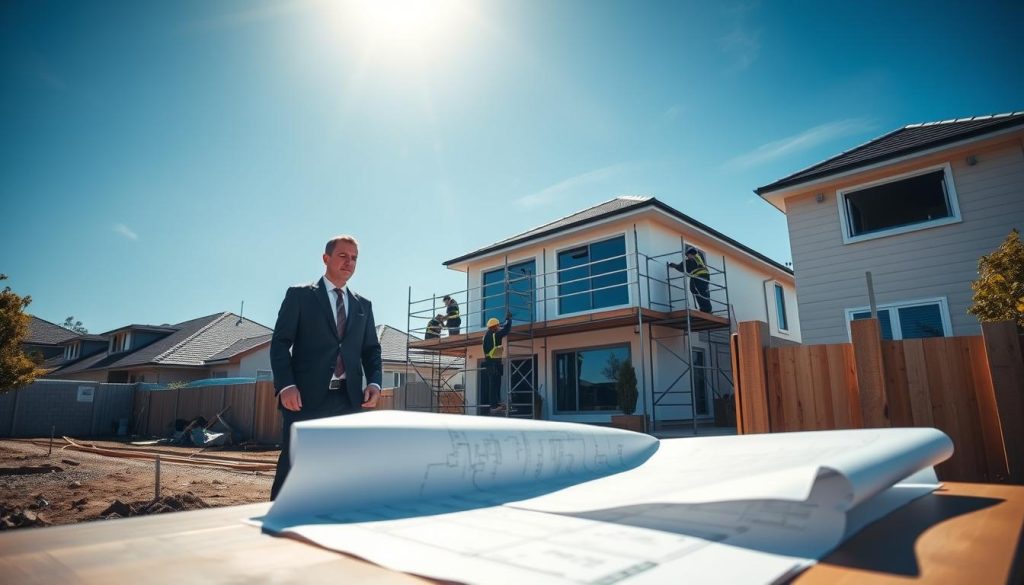
Free assessment and photo review
Send photos and your address for a fast, no‑obligation review today. We assess cracks, levels and visible moisture to give an initial project outline.
Investigation and engineering
We book a site visit to inspect slabs, footing depth and subsoil. Test pits and soil data inform the chosen method.
Our engineer prepares drawings, specifications and a certification plan before construction starts.
Execution with minimal disruption
Works are staged to keep access clear and the home secure. Safety, dust control and daily housekeeping reduce inconvenience.
Supervisors check reinforcement, set‑out and substrate prep so builders meet program and quality targets.
Certification and handover
We coordinate certifier inspections at each hold point. You receive test results, warranties and completion documentation on handover.
Typical timeframes depend on approvals, complexity and weather. Many second storey projects run 8–12 months including approvals.
- Send photos and address for a fast review today.
- We book a site visit, then investigate with test pits.
- Engineer drawings and staged construction protect your home.
- Certification, warranties and post‑project support complete the handover.
| Stage | What we do | Typical time |
|---|---|---|
| Investigation | Site visit, soil tests, design | 1–4 weeks |
| Construction | Staged works, supervision, dust control | 3–9 months |
| Handover | Inspections, certificates, warranty | 1–2 weeks |
Integrating foundations with your second storey design and builder
We align structural design, builder sequencing and services so the upper floor reads as part of the house. Early coordination reduces surprises and keeps costs down.
Coordinating loads, tie-ins and bracing so the new level feels original
We map load paths and tie-ins to the existing structure at concept stage. This protects walls, ceiling levels and finishes.
Bracing and diaphragm continuity prevent racking and drift. We plan penetrations for services to avoid damage to finishes.
Program and timeline alignment: approvals, procurement and weather windows
Program planning aligns approvals, long‑lead items and seasonal risks. That reduces downtime and helps builders meet milestones.
- We coordinate footing and pile locations with column lines and stair geometry.
- Designers receive clear allowances for head heights and room layouts.
- Space planning covers bedrooms, bathrooms and circulation above.
- Clear roles and on‑site communication reduce variations and rework.
| Coordination item | What we check | Benefit |
|---|---|---|
| Load paths | Alignment with existing beams and footings | Even load transfer and fewer cracks |
| Bracing | Diaphragm continuity and wall tying | Reduced drift and improved stiffness |
| Program | Approvals, procurement, weather windows | Smoother build sequence and on-time delivery |
Why choose Underpinning Sydney
A trusted, full‑service contractor simplifies coordination between engineers, certifiers and your builder on every project.
20+ years’ experience, fully licensed & insured, honest assessments—no upsells
We have 20+ years’ experience stabilising homes across varied soil types. Our team is licensed and insured. We give clear, honest assessments and do not push unnecessary work.
Services that cover the lot: underpinning, piling, resin, crack repair and engineering reports
Full-service capability means we handle foundation reinforcement, screw piling, resin injection, wall crack repairs and engineering documentation. This reduces handovers and helps builders price your project accurately.
Transparent, fixed-price quotes and engineering report coordination
Fixed-price quotes and clear scopes cut budget stress. We coordinate reports and certifier evidence so approvals run smoothly and your property value is maintained.
- We’ve stabilised thousands of homes across varied soil profiles.
- Licensed, insured and council‑compliant methods on every project.
- Honest assessments with no upsells and clear warranties.
| Benefit | How we deliver | Result |
|---|---|---|
| Certified design | Engineer reports and test records | Smoother approvals and compliant works |
| Clear cost | Fixed‑price quotes and scopes | Budget certainty and fewer variations |
| Full delivery | Works, reports and handover | Protected property value and peace of mind |
Call 1300 970 930 to speak to Chris and book a site inspection. Email photos for a fast preliminary assessment today. Read our guide on what is underpinning to learn more about the process and benefits.
Conclusion
Adding an upper level can expand your living area without moving from your neighbourhood. A well‑designed second storey gives more room, better light and improved views while keeping your garden intact.
Proper engineering and council approval make the new storey addition perform over the long term. Early checks of foundations stop cracking and costly rework. Certified solutions protect your property value and your family’s safety.
We simplify approvals, documentation and coordination the right way. Our team manages risk, time and quality so the addition feels like it has always belonged to your home.
Email photos for a free assessment or book a site inspection. Speak to Chris on 1300 970 930 about adding a second level and practical steps to more space.